Introduction: Comprehending Eco-Friendly Land Clearing
Land clearing is a necessary process for numerous projects, ranging from farming to construction. Nevertheless, typical land clearing techniques typically result in significant ecological consequences, including soil disintegration, environment destruction, and enhanced carbon exhausts. This is where forestry mulching enters the scene as an advanced method for environmentally friendly land management.
Forestry mulching includes making use of specialized machinery to shred vegetation right into mulch on-site. This approach not only lessens the environmental influence yet additionally provides a number of benefits over standard clearing up techniques like bush hogging and excavation. In this write-up, we'll discover everything you require to know about forestry mulching and its benefits for sustainable land clearing.
The Advantages of Forestry Mulching for Eco-Friendly Land Clearing
When going over environmentally friendly land clearing methods, one must consider the various benefits that forestry mulching offers the table. This method has obtained popularity among property owners and professionals alike for good factors:
Reduced Ecological Impact
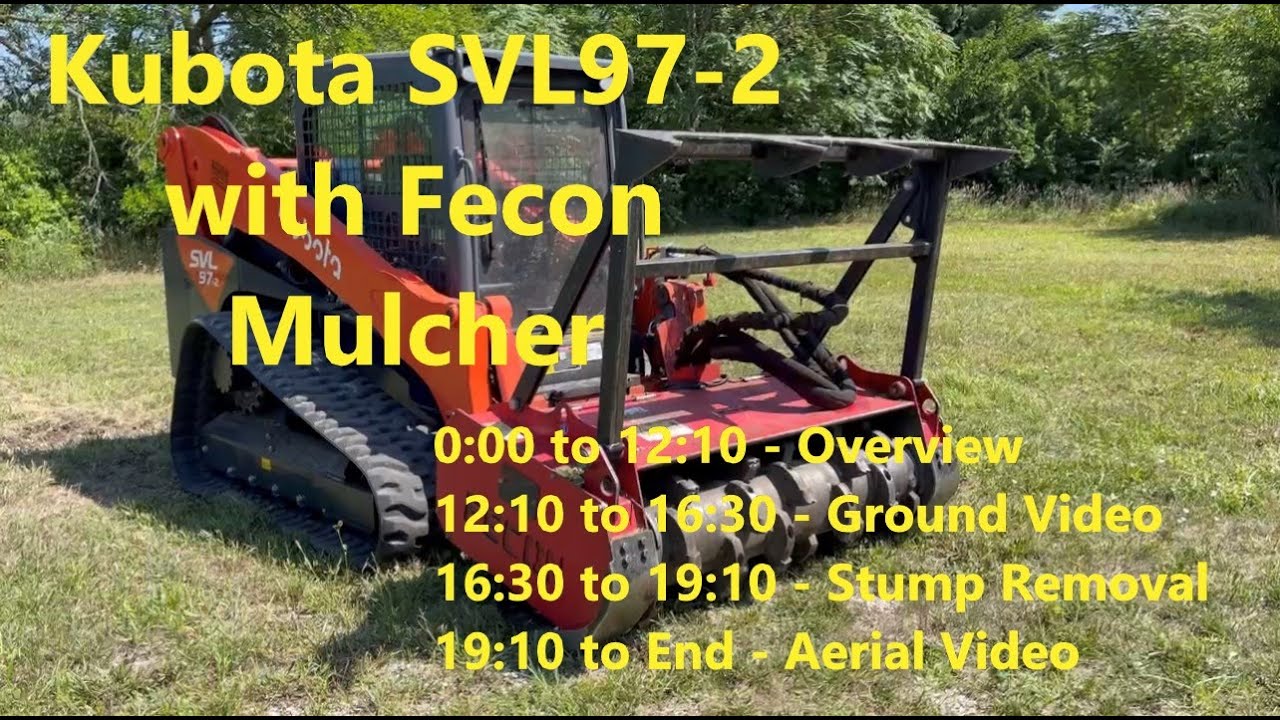
Unlike conventional land clearing approaches that might entail burning or chemical therapies, forestry mulching uses tools such as excavators and skid steers outfitted with mulching heads to grind trees and brush right into small pieces. The resulting mulch can be left on-site to decay naturally, improving dirt health and wellness without introducing unsafe substances.
Soil Conservation
Dirt disintegration is a considerable concern when executing land clearing tasks. By leaving the shredded vegetation on the ground, forestry mulching aids shield the soil framework and avoid disintegration, which is specifically crucial in uneven or irregular terrain.
Time Efficiency
Conventional land clearing can be a prolonged process involving multiple stages-- from cutting trees to carrying debris away. With forestry mulching, the entire operation can usually be completed in eventually or less, considerably decreasing labor costs and time frames.
Cost-Effectiveness
By eliminating the demand for multiple device kinds-- such as those required for bush hogging or grading-- forestry mulching uses a more streamlined technique that converts into lower operational costs.
Improved Visual Appeal

Prevention of Bug Problems
Leaving organic product on-site can prevent bugs by promoting useful pests while preventing problems that might occur from exposed soil.
Wildlife Habitat Preservation
Instead of entirely getting rid of greenery, forestry mulching permits you to keep some degree of environment for local wildlife while still accomplishing your land-clearing goals.
Versatility in Application
Forestry mulching is effective across different terrains and problems-- whether you're managing thick brush or sparsely booming areas.
How Does Forestry Mulching Work?
1. Tools Made Use Of in Forestry Mulching
The secret to efficient forestry mulching lies in utilizing specialized machinery developed for this function:
- Excavators: These machines are geared up with sturdy attachments efficient in shredding big trees and thick brush quickly. Skid Steers: Compact yet powerful, skid steers give adaptability in steering via limited areas while properly handling smaller sized debris. Mulchers: Certain add-ons made for both excavators and skid steers allow drivers to do precise grinding tasks efficiently.
2. The Process Explained
The common process of forestry mulching consists of:
Assessing the site: An assessment of plants density and type helps figure out tools needs. Clearing particles: Operators use excavators or skid steers fitted with mulchers to shred undesirable vegetation. Spreading compost: The resulting compost is uniformly dispersed over the area.Comparing Forestry Mulching with Traditional Methods
1. Bush Hogging vs. Forestry Mulching
Bush hogging includes using rotary cutters to slaughter thick locations but leaves behind large globs of plant life that might need more cleaning up afterward.
In contrast, forestry mulching shreds all vegetation into great compost that decays normally without leaving extreme debris-- an efficient option for those looking to clear land without complications.
2. Excavator-Based Methods
While excavators are typically used in both conventional land clearing techniques and forestry mulching, their application varies considerably:
- In conventional techniques, they might uproot trees entirely. In forestry mulching circumstances, they merely grind them down into compost while preserving dirt integrity.
Environmental Advantages of Forestry Mulching
1. Enhancing Soil Health
As previously discussed, leaving shredded materials on-site enhances dirt top quality by including raw material as it damages down with time-- this brings about enhanced nutrition schedule and wetness retention.
2. Mitigating Climate Adjustment Effects
By minimizing carbon discharges related to shedding gotten rid of materials or carrying them off-site, forestry mulching provides a more sustainable alternative straightened with worldwide initiatives versus environment change.
3. Sustaining Biodiversity
Forestry mulching aids protect existing ecological communities far better than various other land-clearing methods by reducing habitat disruption while still allowing essential growth or agricultural expansion.
FAQs About Forestry Mulching
FAQ 1: What type of tasks benefit most from forestry mulching?
Forestry mulching is optimal for household growths, farming developments, utility right of way upkeep, firebreak production, road building in forested locations-- all jobs needing efficient land clearing without comprehensive ecological damage.
FAQ 2: Can I use my existing tools for forestry mulcing?
If you have an excavator or skid steer currently readily available however lack specialized attachments like a mulcher head-- purchasing these add-ons can transform your current equipment into reliable forestry-mulcing tools!
FAQ 3: Exactly how does compost enhance soil health?
As mulch disintegrates in time-- it enhances dirt with nutrients necessary for plant development while likewise helping preserve wetness degrees during droughts-- a win-win situation!
FAQ 4: Exists any type of clean-up involved after completing a forestry-mulcing project?
Typically no! Given that the majority of particles obtains shredded throughout operations-- the continuing to be mulch acts as all-natural ground cover calling for marginal maintenance thereafter!
FAQ 5: Does climate influence just how well forest-mulched locations perform?
Weather conditions play much less impact than one might believe; nevertheless long term damp conditions might slow down decay rates-- eventually leading toward ideal outcomes regardless!
FAQ 6: Can I incorporate various other experiment forestry-mulcing?
Absolutely! Several property owners choose integrated approaches integrating grading/leveling strategies along with getting rid of procedures optimizing performance whilst guaranteeing visual allure overall!
Conclusion: Welcoming Lasting Practices Via Forestry Mulching
In final thought, accepting practices like forestry mulching symbolizes an important action in the direction https://www.storeboard.com/blogs/automotive/a-comprehensive-guide-to-land-clearing-techniques/5957113 of lasting land monitoring options tailored specifically for today's obstacles bordering setting conservation in the middle of human development requires! Whether you're taking a look at extensive farming plots needing complete preparation or smaller homes seeking reliable clearance alternatives-- this cutting-edge technique gives unrivaled advantages compared against conventional equivalents like bush hogging!
Ultimately purchasing environment-friendly choices aligns us closer toward fostering healthier ecosystems-- not only supporting biodiversity but likewise securing resources needed future generations will trust too! So why wait? Consider incorporating forestry mulch into your following task today!