Introduction
Wildlife environment restoration is a pushing need in today's globe, provided the fast urbanization and environmental adjustments we are witnessing. One reliable method that has actually come to the leading edge land clearing in this venture is forestry mulching This method not only promotes land clearing but also creates lasting environments for numerous wildlife varieties. As a specialist in the field, I intend to look into just how forestry mulching functions as a crucial device for restoring wildlife habitats, along with the ins and outs of bush hogging, grading, and other dirt work techniques.
Forestry Mulching as a Tool for Wildlife Environment Restoration
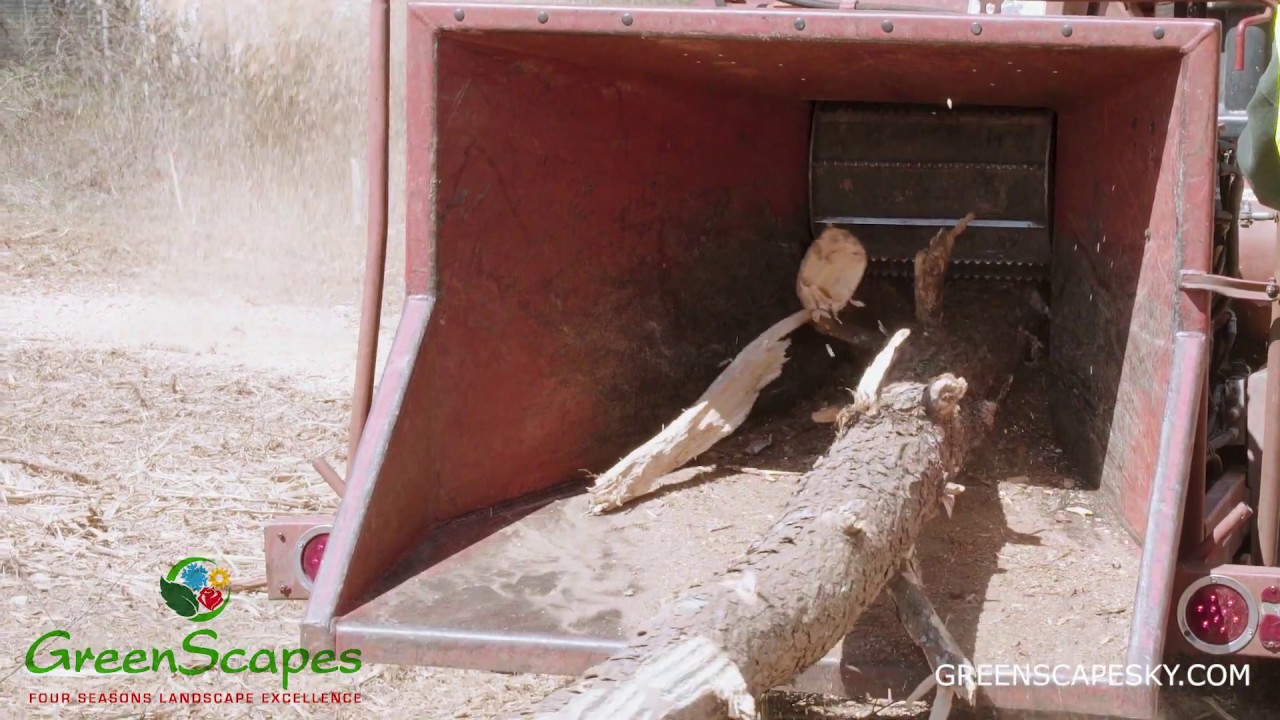
Forestry mulching entails the procedure of mechanically eliminating undesirable plant life and turning it into compost utilizing specialized equipment such as an excavator or skid steer. The key goal here isn't just land clearing; it has to do with creating an atmosphere conducive to wildlife. By selectively getting rid of invasive types and excessive underbrush, we can advertise indigenous plant development, which is essential for various pet habitats.
When you think about it, the significance of preserving biodiversity can not be overemphasized. Healthy ecological communities count on balanced communications in between plants and fauna. By assisting in forestry mulching, we are basically laying down the groundwork for these interactions to flourish.
Why Choose Forestry Mulching?
- Efficiency: Contrasted to typical approaches like bush hogging or burning, forestry mulching is a lot more reliable as it processes product on-site. Environmental Impact: It decreases soil disturbance and disintegration while promoting much healthier vegetation. Cost-Effective: While first costs may appear high, lasting advantages surpass them through decreased upkeep needs.
The Refine of Forestry Mulching
Site Assessment: The first step includes reviewing the area that calls for restoration. Equipment Preparation: Depending on the terrain and greenery kind, either an excavator or skid steer is chosen. Mulching Operation: The chosen machine erodes trees and brush right into fine mulch. Post-Mulch Application: The mulch continues to be on-site, improving dirt quality and stopping weed growth.Understanding Wildlife Habitats
What Comprises a Wild animals Habitat?
A wild animals habitat consists of four crucial parts:
- Food Sources: Vegetation provides nutrition for different species. Water Sources: Freshwater bodies bring in animals. Shelter: Thick foliage provides refuge from predators. Space: Adequate area guarantees that varieties can prosper without competition.
Types of Wild animals Habitats Recovered by Forestry Mulching
Forest Ecosystems Wetlands Grasslands ScrublandsEach of these environments plays a special role in sustaining various wildlife species.
Benefits of Forestry Mulching for Wildlife Restoration
Promoting Native Plants Growth
One significant advantage of forestry mulching is its capability to promote indigenous plant regrowth by getting rid of contending invasive varieties. Indigenous plants often give better food sources and shelter for regional wild animals contrasted to non-native counterparts.
Enhancing Soil Quality
The act of mulching boosts dirt wellness by including organic matter back into the ground. This enriches nutrient levels while advertising useful microbial activity.
Reducing Wildfire Risks
By cleaning too much underbrush and dead greenery through forestry mulching, we can significantly lessen wildfire risks-- a vital factor in maintaining wild animals habitats.
Comparative Analysis with Other Techniques
1. Shrub Hogging
Bush hogging entails using a rotating mower affixed to a tractor to clear dense brush and tiny trees. While efficient for large areas promptly, it does not give the same eco-friendly advantages as forestry mulching since it leaves behind debris that can bring about erosion.
2. Burning
Controlled burns can revitalize particular environments but come with dangers like air contamination and unexpected spread of fire beyond assigned locations-- a vital worry when taking care of sensitive wild animals habitats.
3. Excavation
Excavation may be required for details jobs however often brings about significant soil disruption compared to forestry mulching's mild approach.
|Method|Performance|Environmental Influence|Cost|| ----------------|------------|----------------------|--------------|| Forestry Mulching|High|Low|Modest|| Bush Hogging|Moderate|Moderate|Low|| Burning|Low|High|Variable|| Excavation|Reduced|High|High|
Challenges in Applying Forestry Mulching
While forestry mulching presents countless advantages, there are difficulties:
Equipment Costs: Investing in high-grade machinery can be expensive upfront. Skilled Operators Needed: Efficient operation calls for experienced personnel familiar with equipment handling. Regulatory Compliance: Adherence to neighborhood policies relating to environment restoration must be observed.Land Clearing Techniques for Environment Restoration
Land clearing up remains a vital element of habitat repair efforts where undesirable greenery should be removed before new development can establish itself effectively.
1. Mechanical Land Clearing
Using equipment like excavators or skid guides can accelerate land clearing while making certain minimal ground disruption contrasted to manual methods.
2. Guidebook Land Clearing
Though labor-intensive, hands-on cleaning could be needed in eco-friendly land clearing Arkansas delicate areas where equipment can not run without creating harm.
Importance of Grading and Leveling Post-Mulch Application
After applying compost via forestry techniques:
- Grading makes certain water drains appropriately across surfaces. Leveling aids in developing consistent ground problems conducive for brand-new growing efforts-- necessary when aiming for diverse vegetation types required by different wildlife species.
Sustainable Practices in Environment Restoration Making Use Of Forestry Mulching
To guarantee long-lasting success:
Use indigenous seed blends during replanting initiatives after completing the mulching process. Conduct follow-up assessments frequently post-restoration activities-- monitoring both flora & & fauna populations assists gauge ecological equilibrium reconstruction development over time!1) Continuous Monitoring
Adopting surveillance methods enables us insight right into exactly how well brought back ecosystems are executing-- and what adjustments might require executing relocating forward!
2) Neighborhood Involvement
Local communities play vital roles right here! Engaging them via educational programs improves recognizing around value behind these initiatives urging stewardship over brought back lands!
FAQs regarding Forestry Mulching as a Device for Wild Animals Habitat Restoration
1) What is forestry mulching?
- Forestry mulching describes utilizing specialized tools to grind down undesirable plant life right into mulch on-site throughout land clearing tasks aimed at bring back wildlife environments successfully while minimizing environmental impact!
2) How does forestry mulching aid wildlife?
- By getting rid of intrusive plants & & allowing indigenous ones area & & sources they need flourish-- creating healthy and balanced communities where pets discover food/shelter hence improving biodiversity overall!
3) Is it cost-efficient?
- Yes! Although first investments may seem high-- long-term financial savings occur through reduced maintenance needs connected with handling invasives gradually as soon as brought back properly!
4) Can I utilize my own equipment?
- It's advised using specialized equipment made especially manage tough jobs included below (like excavators/skid steers)-- hence making certain efficiency/safety throughout procedures undertaken within your job site!
5) What types of habitats benefit most from this method?
- Forests/ wetlands/grasslands/scrublands all stand excellent opportunities benefiting significantly via reliable implementation methods concentrated around utilizing methods highlighted over constantly seen yielding favorable outcomes throughout landscapes targeted by stakeholders involved straight (e.g., guardians).
6) Are there any kind of regulatory considerations?
- Yes! Always examine regional guidelines before starting any type of land-clearing procedure-- ensuring compliance protects both natural deposits preserved alongside area interests represented throughout ventures undertaken collectively in the direction of accomplishing shared goals developed collaboratively amongst individuals involved below together!
Conclusion
In verdict, forestry mulching becomes a powerful tool not only for reliable land clearing but additionally as a keystone technique in rejuvenating wildlife environments across diverse communities worldwide! By recognizing its distinct benefits along with acknowledging obstacles faced applying these practices successfully-- we set ourselves up guaranteeing success inevitably achieved recovering equilibrium back nature intended originally!
Through constant monitoring/community involvement/effective preparation incorporated-- we pave paths ahead toward lasting futures enriched ecology positively impacts lives all creatures sharing planet earth today tomorrow alike! So what are you waiting for? Allow's roll up those sleeves & & get started making significant changes happen right now!