Bush hogging is not simply a method; it's an important method for preserving the wellness and productivity of your fields. Whether you're taking care of agricultural land, pastures, or even forestry areas, reliable bush hogging can make a significant influence on the landscape's vigor. This short article dives deep into numerous bush hogging strategies, their advantages, and exactly how they add to keeping your fields healthy and balanced and productive.
Introduction to Bush Hogging
Bush hogging includes utilizing a rotary mower to trim dense plants, consisting of thick yards, hedges, and little trees. It's typically used in land clearing operations yet goes beyond simple cutting. This method advertises much healthier soil problems, boosts plant yields, and supports wild animals environments.
What is Bush Hogging?
At its core, bush hogging is about successfully eliminating unwanted vegetation. The term "bush hog" originates from a brand name of rotating lawn mowers made specifically for heavy-duty lawn and brush cutting. These equipments are commonly attached to tractors or skid guides and can take on tough jobs that conventional lawn mowers can not handle.
Why is Bush Hogging Important?
Promotes Soil Health: By managing overgrowth, bush hogging prevents dirt erosion and motivates nutrient-rich topsoil. Enhances Chop Production: Frequently preserved areas produce higher crop outputs by minimizing competition from weeds. Prevents Pest Infestation: Overgrown areas can nurture pests; bush hogging assists keep populaces in check. Improves Aesthetics: Well-maintained areas look far better and are more inviting for visitors or potential buyers.Now that we've developed what bush hogging entails allow's discover some effective techniques.
Bush Hogging Strategies to Maintain Your Fields Healthy and Productive
1. Timing Your Bush Hogging Operations
Timing is critical when it concerns bush hogging. Recognizing the best times of year to cut can significantly affect the effectiveness of your efforts.
Optimal Seasons for Bush Hogging
- Spring: Trimming in very early springtime before plants completely bloom assists handle growth effectively. Summer: Late summer season mowing can regulate intrusive types prior to they seed. Fall: Clearing brush in loss prepares areas for winter months weather condition and advertises healthy and balanced regrowth in spring.
2. Choosing the Right Equipment
Your option of devices can make or damage your bush hogging initiatives. Right here's a check out some typical alternatives:
Types of Tools Utilized in Shrub Hogging
|Devices Kind|Description|| ----------------|-------------|| Rotating Lawn mower|Best for thick lawn and light brush; functional throughout various terrains.|| Skid Steer|Very manoeuvrable; perfect for tight rooms and small work.|| Excavator|Suitable for larger tasks needing heavy-duty clearing abilities.|
3. Safety And Security Considerations Throughout Bush Hogging
Safety needs to always be a top priority when operating machinery on the field.
Key Safety Practices Include:
- Always put on suitable protective equipment (handwear covers, goggles). Ensure all safety and security features on your devices are functional. Maintain a risk-free range from debris while mowing.
4. Recognizing Terrain Types
Not all terrains are created equal; comprehending how surface influences bush hogging will certainly improve your effectiveness.
Different Terrain Kind:
- Flatlands: Easier to navigate but might need constant mowing as a result of rapid growth. Hillsides: More difficult; ensure your devices has excellent traction. Wetlands: Usually need specific tools like overload buggies or amphibious vehicles.
5. Readjusting Reducing Heights Appropriately
The elevation at which you set your mower blade has substantial ramifications for plant health.
Recommended Cutting Heights
- For grasses: 3-4 inches enables regrowth without destructive roots. For brush: 6 inches keeps bigger plants at bay while permitting smaller flora to thrive.
6. Including Grading and Leveling Techniques
After bush hogging, http://trevorzmmf480.lucialpiazzale.com/bush-hogging-upkeep-list-for-durability grading and leveling are essential action in preparing land for future use.
Benefits of Grading Post-Bush Hogging
- Creates an uniform surface that advertises far better drainage. Reduces soil compaction which enhances root growth.
7. Applying Forestry Mulching Techniques
Forestry mulching is an additional method worth checking out alongside conventional bush hogging practices:
Advantages of Forestry Mulching
- Minimal soil disturbance compared to other clearing up methods. Provides ground cover that suppresses weed growth via all-natural decay processes.
8. Exploring Land Clearing Options Beyond Bush Hogging
While bush hogging is effective, there are instances where added land clearing techniques might be required:

Complementary Land Clearing Methods
Chainsaws for removing larger trees Excavators for excavating stumps Chippers for processing woody debris9. Assessing Dirt Conditions Pre-Bush Hogging
Before embarking on any kind of bush hogging task, analyzing soil conditions should belong to your prep work procedure:
Soil Evaluation Techniques
Conduct pH screening to identify nutrient deficiencies. Observe moisture degrees which may affect equipment performance.10. Utilizing Dirt Work in Conjunction with Bush Hogging
Dirt job entails controling dirt via excavation or grading; this becomes pertinent post-bush hog procedures:
How Dirt Work Complements Bush Hogging
- Filling low spots enhances total area quality. Creating berms directs water runoff more effectively after removing vegetation.
FAQs Regarding Bush Hogging Techniques
1. What are the best times of year for bush hogging?
The finest times consist of very early springtime prior to flowering beginnings, late summer season prior to seeding happens, and fall as preparation for winter.
2. Can I utilize a routine lawn mower as opposed to a rotating mower?
Regular lawn mowers struggle with thicker plants; utilizing a rotary mower guarantees efficient reducing without destructive equipment.
3. How do I keep my bush hog equipment?
Regularly evaluate blades for intensity, check oil levels in engines, clean after each usage to avoid rust buildup.

4. Is forestry mulching better than standard bush hogging?
Forestry mulching reduces soil disruption while supplying organic matter back right into the ecosystem yet may not fit all situations compared with typical methods.
5. What safety and security equipment do I require when bush hogging?
Essential equipment consists of handwear covers, goggles/face guards, hearing defense if making use of loud machinery like tractors or skid steers.
6. Just how does grading enhance my field after bush hogging?
Grading creates degree surfaces boosting water drainage patterns which advantages plant production by stopping water merging around plants' roots bring about rot issues.
Conclusion
In recap, understanding numerous bush hogging techniques is important not just for preserving visual allure but also making sure lasting efficiency throughout different sorts of areas-- whether agricultural lands or all-natural ecological communities alike! With correct timing selection combined with an understanding of terrain features along with post-bush-hog maintenance methods such as grading/dirt job combination will result ultimately reveal boosted wellness & & performance within any type of handled landscape setting!
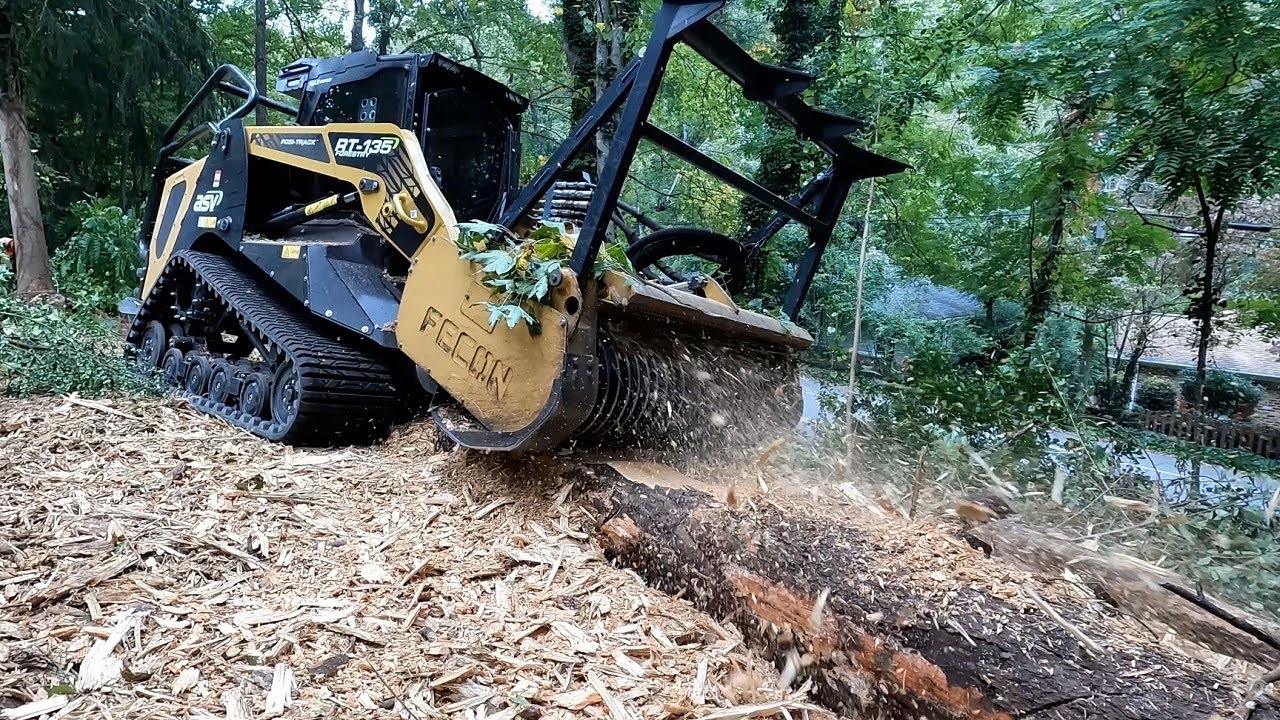
By complying with these methods laid out above in addition to accepting more recent techniques like forestry mulching where proper-- taking care of land ends up being much less difficult yet far more satisfying! So roll up those sleeves & & get started today!